
Finding Roseville Resident Records
Roseville publishes no single master list of its residents. The useful record depends on what you already know. An address points to the assessor, the Macomb parcel map, and recorded land documents. A name drawn from a civic event fits the city archive or agenda files. Family-history work usually starts at the library. From there it moves to county vital indexes and historical newspapers. A question about your own voter status belongs with the Michigan Voter Information Center process, while a broader public-file request follows the state Qualified Voter File process.
Treat each result as dated evidence, not a final label. A deed names the parties to a transfer. A parcel record names an owner of record or a mailing relationship. A street directory captures a household at one moment. A name in a meeting packet might mark an official, applicant, speaker, or contractor. Roseville resident research is strongest when two independent records agree on a name, a place, and a time.
- Start with a known name, address, or old street name and choose the custodian that keeps that kind of record.
- For an address, check the City Assessor or Macomb GIS for the parcel and legal-description trail.
- Use the Register of Deeds index to follow recorded transfers and compare the parties with the parcel.
- For an earlier household, ask the library for city directories, yearbooks, cross-indexes, newspapers, or Erin Township material.
- When no online index fits, send a narrow written request to the city, county, or state custodian.
Roseville Offices Behind the Rolls
Roseville and Macomb County split their resident records by function. The City Clerk routes city land files, meeting minutes, and business licenses. It also handles voter-registration administration and Freedom of Information Act requests. For property, start with the city assessor and the municipal search tools. Macomb County holds recorded land instruments and county vital records. It also keeps court files, elections resources, and GIS layers. The State of Michigan supplies voter-status, court, vital-record, and other statewide systems. A name-only search rarely settles a question. In this residents directory landscape, the office matters. Contact it as surely as the portal you use.
Macomb Clerk/Register of Deeds
120 N. Main Street
Mount Clemens, MI 48043
586-469-7953
Macomb Elections
32 Market Street
Mount Clemens, MI 48043
586-469-5209
The Roseville City Clerk page identifies the city-held land records the office routes. It also covers license, meeting, and election records. Contact the clerk first when a record is municipal rather than countywide.
The City Clerk page also lists custodian and contact details. Those details help separate a city records request from a county deed or court search.
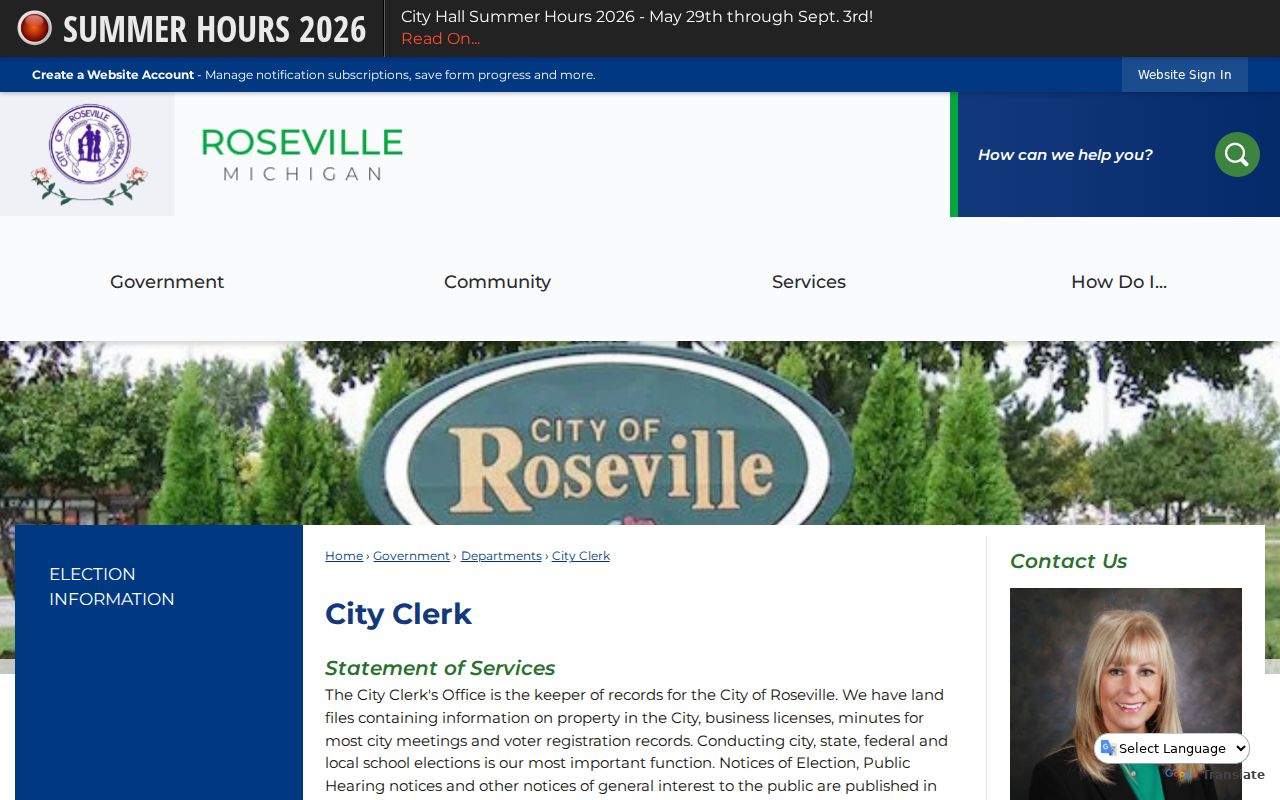
The clerk screen is an orientation point, not a database of current Roseville residents.
Roseville Archive and Agenda Searches
Civic paper trails often hold a Roseville name or address. No residents directory page will surface it on its own. Meeting minutes, project files, appointments, and city actions all name people, streets, and parcel numbers. The Archive Center lets you search by keyword, archive category, and time period. Start and end dates are included. Results come back as document and archive-item records, most of them PDFs. The Agenda Center works differently. It offers time shortcuts, a date range, search terms, and category controls. Categories cover City Council, Planning Commission, zoning, parks, retirement, and advisory bodies. Always open the result packet itself. A title rarely lists every person or parcel mentioned inside. A promising street directory lead can hide in a lengthy attachment.
Roseville Archive Center shows the keyword, category, and date controls used for municipal documents.
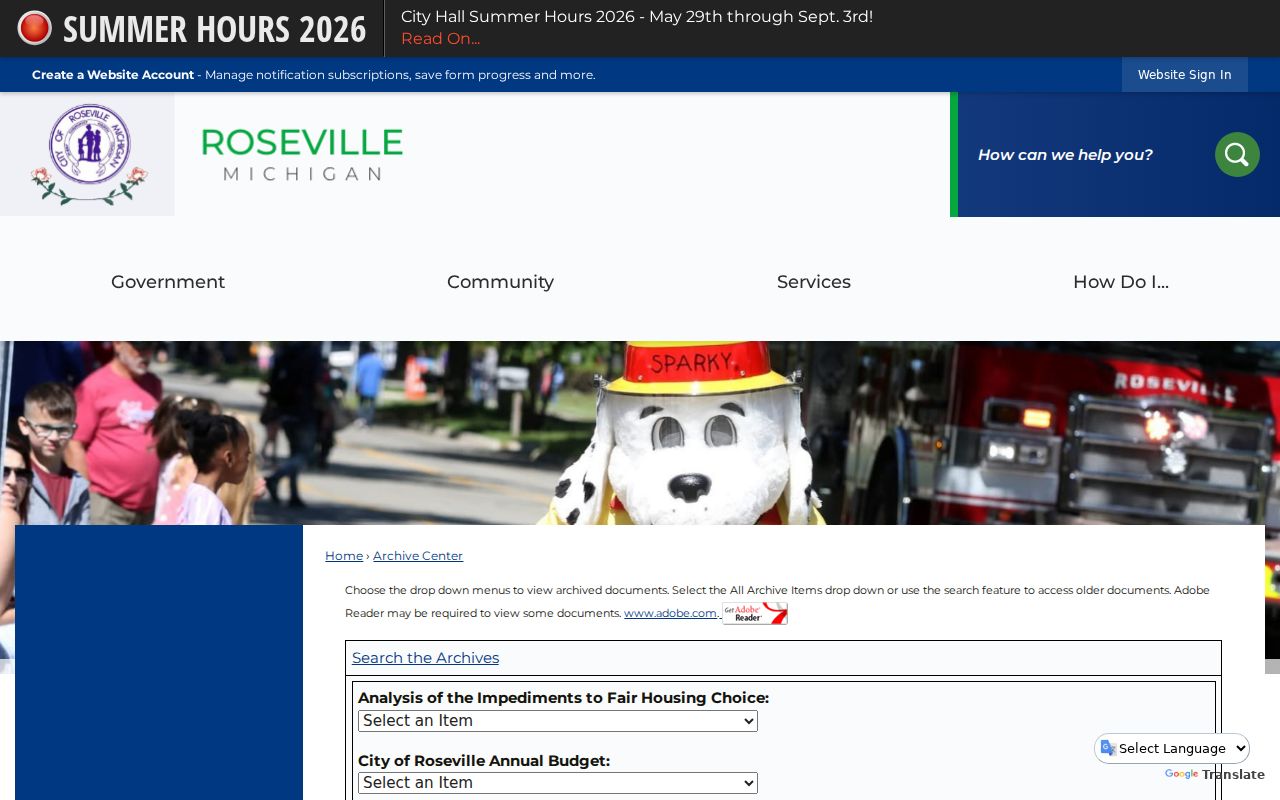
A hit in the archives only proves that a document exists and when it was filed. It is not a resident profile. The Roseville Agenda Center goes further, letting you sort civic records by meeting category and time.
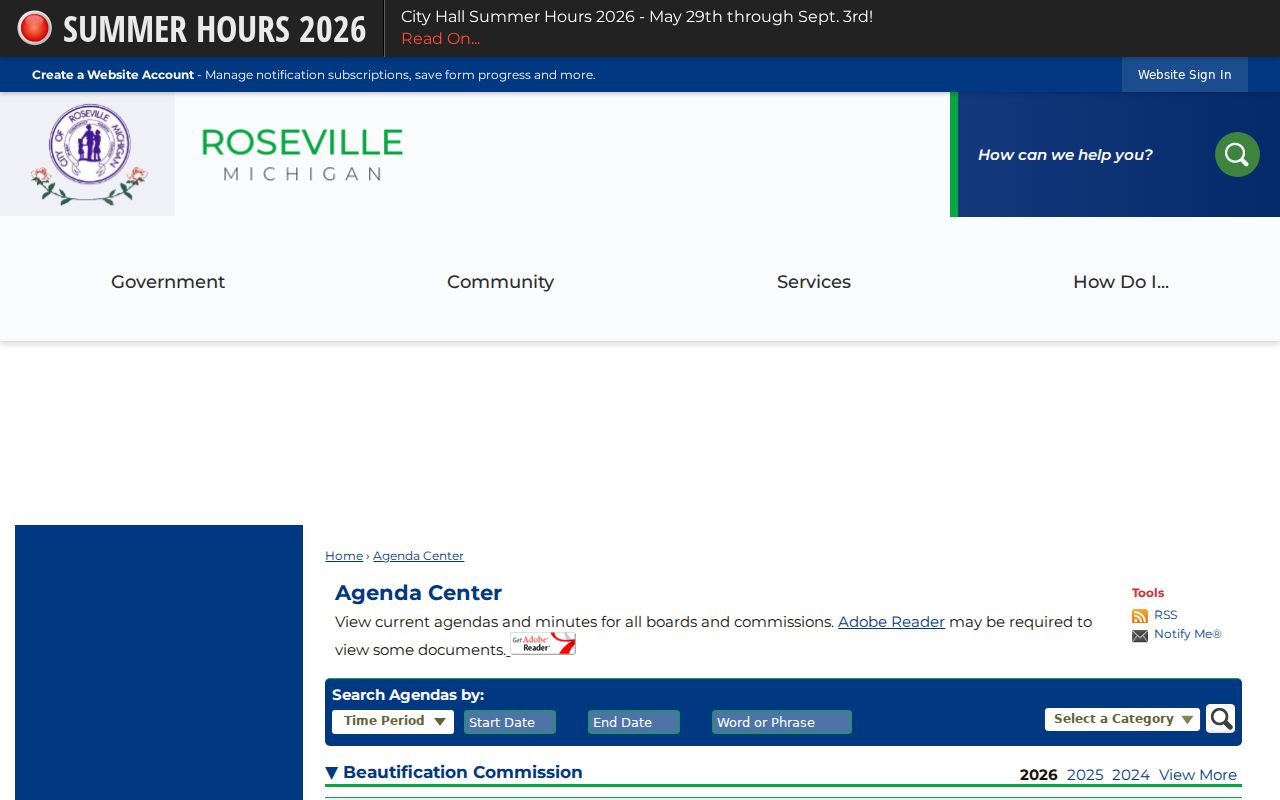
Precision beats breadth in archive work. Pair a surname with a category and date range rather than running a broad keyword sweep across every Roseville record.
Roseville Parcels and Recorded Names
Property rolls are a practical Roseville residents directory route when a street address is known. They answer an ownership question first. The City Assessor explains local assessment matters and links to municipal tools. BS&A Online offers address, name, and parcel-number entry points. Its services cover detailed records, taxes, utilities, permits, assessments, licenses, and sales. Not every detailed field is documented on its face. Historical coverage of the live service is not documented either. Confirm a result against the named city department. You can also check a county record before relying on it.
| Roseville record source | Best starting fact | What it can confirm | Key limit |
|---|---|---|---|
| Assessor and BS&A | Address, name, or parcel number | Property and assessment relationship | Owner or mailing data does not prove occupancy. |
| Macomb GIS Parcel Explorer | Address, E911 address, tax ID, or intersection | Parcel, map context, and nearby features | Online layer dates vary. |
| Register of Deeds | Grantor, grantee, legal description, or parcel | Recorded transfer parties and instruments | Indexing and verification can be incomplete. |
| Building records | Address and date | Permit or work evidence | Access and release limits apply. |
Roseville Assessor information outlines the local property office’s work and assessment topics.
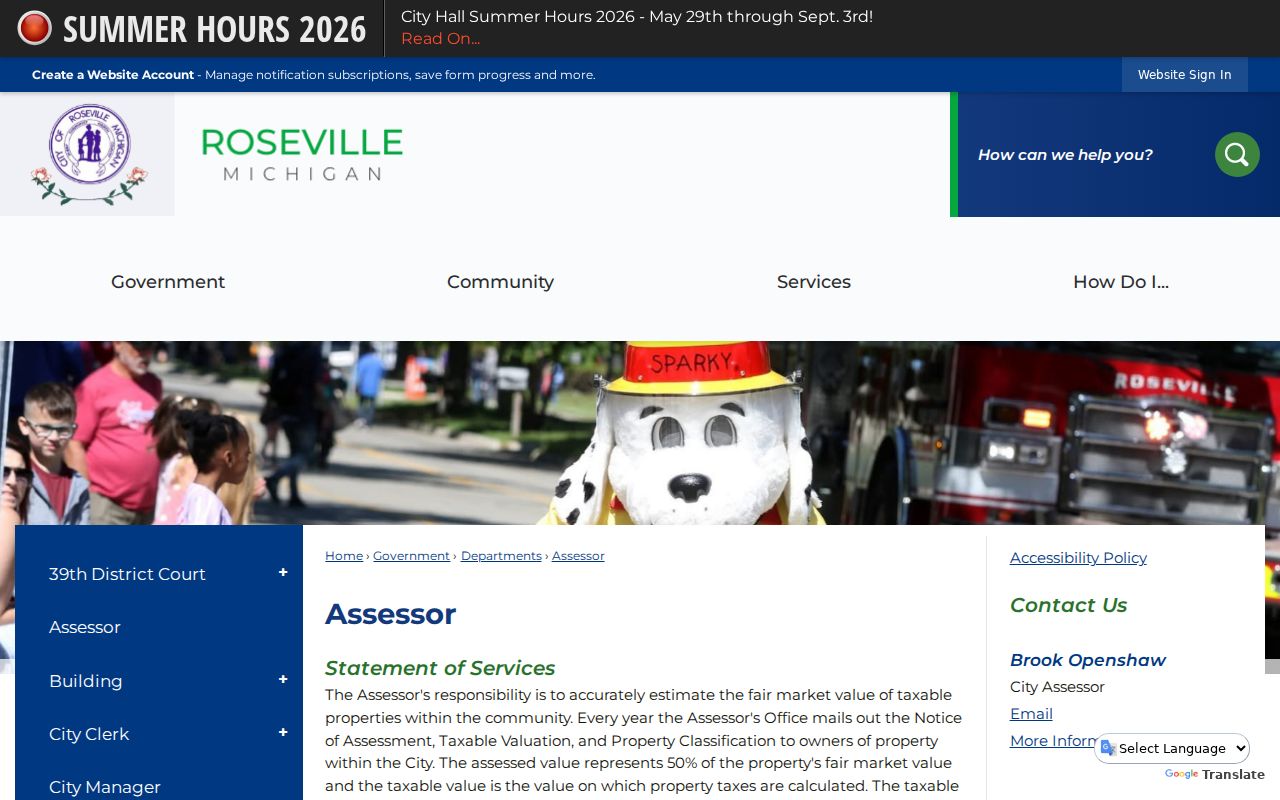
The assessor's office is the right Roseville property contact when a municipal parcel question cannot be resolved from a landing page alone. The Roseville BS&A Online page is the municipal record-search entry point.
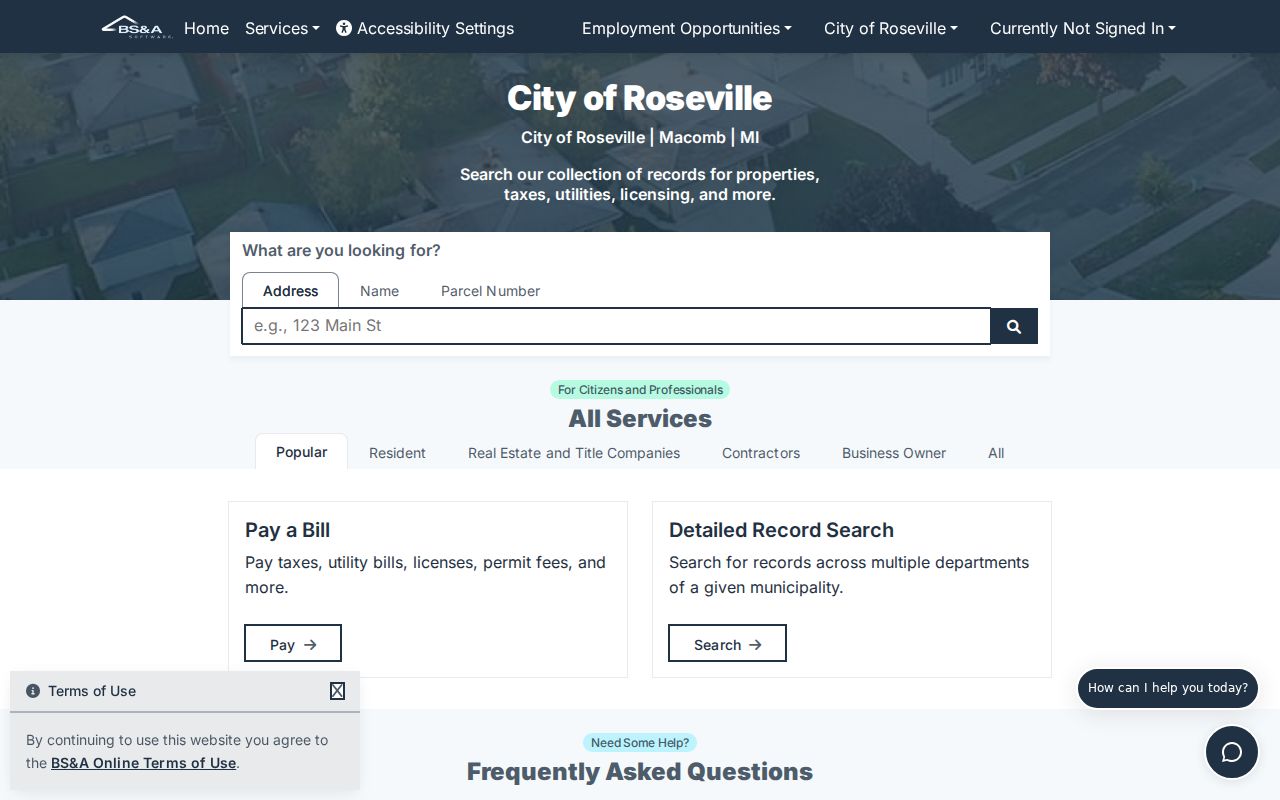
The visible address, name, and parcel entry paths make good starting points. Field details belong in the live service, where the full record is confirmed.
- Parcel
- A tax and map unit used by assessors and GIS, which can differ from the everyday street address.
- Legal description
- The formal land description used to link deeds and plats across changes in street names or numbering.
- Grantor and grantee
- The party transferring an interest and the party receiving it in a recorded instrument.
- Index
- A searchable list of record entries. It may point to an image or a request process rather than provide the record itself.
A single parcel screen will not identify who currently lives at an address. For a full address-by-address trail, follow the Roseville street directory records workflow instead.
Current Roseville Directory Sources
Current Roseville resident directories are really a cluster of narrow official sources. The property route follows an address or an owner of record. Election tools separate a person's own status lookup from a formal public-file request. Court, custody, registry, and professional systems serve narrower purposes still. City agendas and archive records document civic appearances rather than home addresses. A careful lookup names the source's purpose first. Only then should any conclusion be drawn from a name.
| Directory-like source | Roseville connection | Custodian | Access route |
|---|---|---|---|
| Property records | Owner and parcel relationship | City Assessor and Macomb GIS | Municipal and county portals |
| Recorded documents | Parties to deeds, liens, and mortgages | Macomb Register of Deeds | Basic index, terminals, or request |
| Voter information | Individual status or requested public file | Michigan elections officials | MVIC or QVF request |
| Civic documents | Names in city business | Roseville City Clerk | Archive, agendas, or FOIA |
| Historical collections | Dated households and family clues | Roseville library and regional repositories | Archives request, microfilm, or digital collections |
For one named person, records should be compared, not merged. The Roseville resident lookup route matches the correct kind of record to the question at hand.
Roseville Voter Record Boundaries
Michigan treats voter registration as public, but with firm limits. The Michigan Voter Information Center serves one voter at a time. It answers status, polling place, ballot, and clerk questions. It is not a street-by-street residents directory for Roseville or any other city. The state withholds several fields outright. Driver's license and state ID numbers stay private. Birth month and day stay private too. So do phone, email, digitized signatures, and the last four Social Security digits. Anyone who needs a broader slice, by jurisdiction, district, school, ward, or precinct, files a public Qualified Voter File request. That request is the legal route to it.
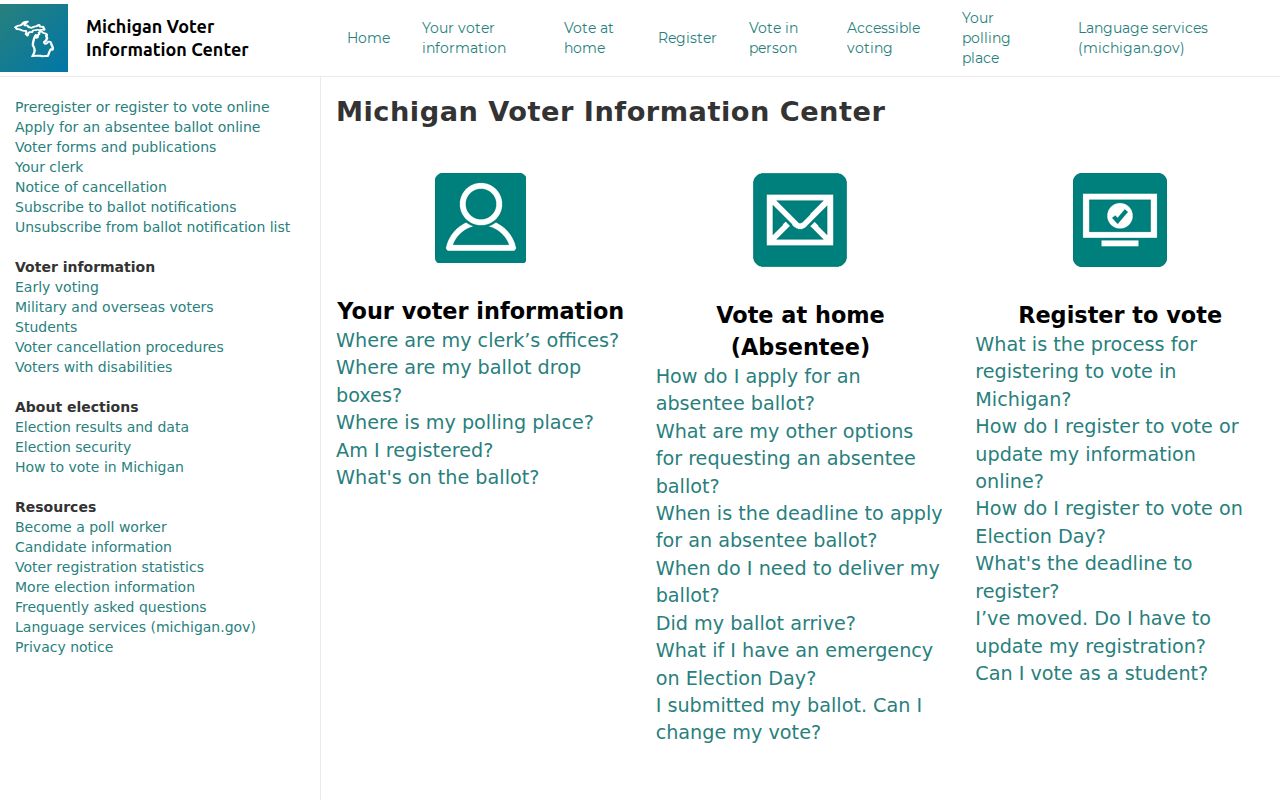
The state's own service governs the form and whatever results it returns, so treat the official page as the only access route.
Note: A voter entry is a dated election record, not proof of who lives at a Roseville address today.
Roseville Court and Safety Records
Court and safety systems each answer one narrow question. Roseville's 39th District Court runs its own live case search. Macomb CourtView opens Circuit and Probate material, and MiCOURT covers the state with its own exclusions. A result only means something once it matches full name, court, date, case type, party role, and case number. Sealed and restricted matters never appear. A court file can prove a proceeding happened. It cannot prove a current Roseville address.
Michigan's safety systems sit apart from all of that. OTIS, the Public Sex Offender Registry, and the county inmate route each run on their own statutory purpose. Michigan OTIS shows its official search fields for state correctional records. OTIS warns that commitment names can differ from legal names, so the offender number is the stronger identifier.
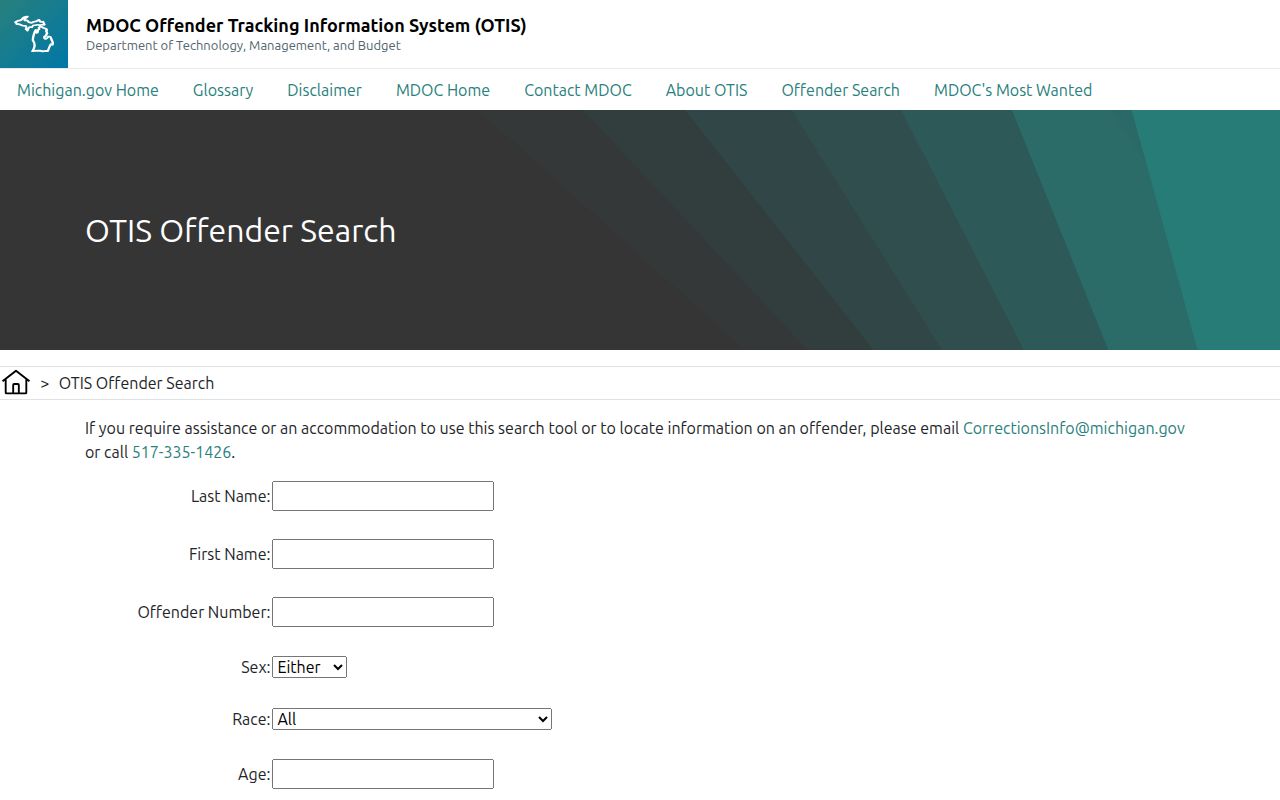
A name or offender number is required, which is why an OTIS result has to be tied to the agency's own identifiers and dates.
Michigan Public Sex Offender Registry works differently. It offers its own name and geographic search controls.
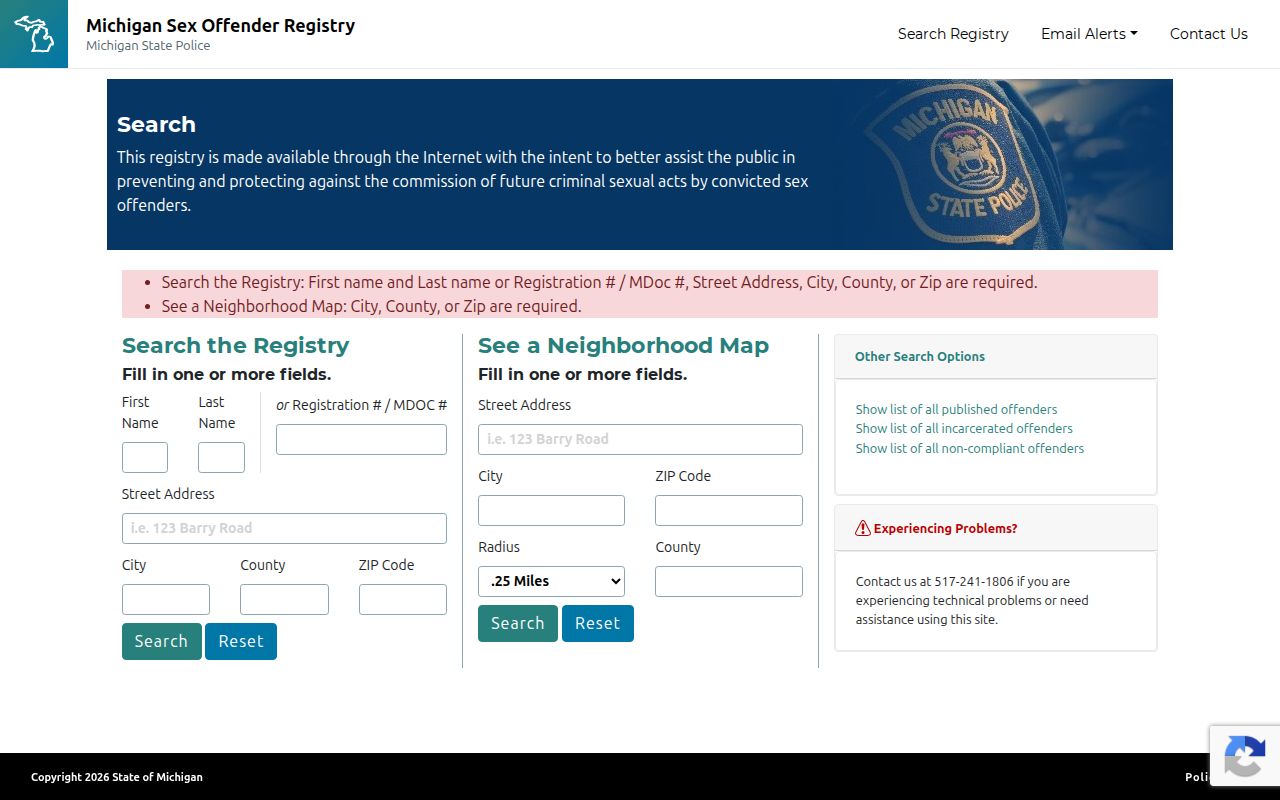
The registry's address and radius options exist for its limited publication purpose, not for profiling Roseville neighbors.
Historic Roseville Directory Shelves
Old Roseville resident directories read like dated snapshots of the city. Each volume freezes one year of households. The Roseville Public Library archives point researchers toward city cross-indexes, yearbooks, Erin Township records, a house-history guide, and the Montage digital collection. Roseville city-directory volumes exist for 1955 and 1957. Runs from 1942 through 1958 sit at Roseville, Eastpointe, and Mount Clemens libraries. Some of those volumes have catalogued scans. Roseville Record holdings span 1926 to 1931. Those dates can make a historical household plausible in a given year. But they prove nothing about a present address.
Access on the ground is practical but uneven. A 2026 renovation is complete, yet the archival collections were still being reorganized. Yearbooks and city cross-indexes are available by request. An archivist can confirm whether a needed item is on hand. Mount Clemens Public Library adds regional microfilm, an obituary index, and local-history assistance. The full collection and the method for reading entries sit on the Roseville Directory Book page.
Roseville Names Change With Time
Roseville's older records lean on place and road names a modern search misses. The area was Orange Township first. It became Erin Township in 1843. Roseville incorporated as a village in 1875 and as a city in 1958. One household can therefore surface under Erin Township, village, county, East Detroit-area, or Roseville wording, depending on the record date. Keep the original jurisdiction in your notes. Add modern Roseville only as a cross-reference.
Street names tell the same story. Gratiot was Erin Plank Road once. 11 Mile went by Townhall Road, 12 Mile by Champagne Road, and 13 Mile by Cushy Road. Frazho and Masonic carried older names too. Search the historical form next to the modern one across the Roseville Record, Montage, city directories, and deed material. The interurban era from 1895 to January 1930 also works as a date filter for transportation-era mentions.
Note: The former Erin Township Hall at Gratiot and 11 Mile came down during I-696 construction, so a current-building search will not replace a dated map search.
Roseville FOIA and Missing Records
Some city-held records simply are not online. Michigan's Freedom of Information Act, MCL 15.231 et seq., is the written-request route for those. A good request names the record type and the date range. It also names the public body. Add any known name, address, or parcel number. The state generally requires a response within five business days. One ten-business-day extension is allowed in the circumstances set by MCL 15.235. Roseville may permit inspection of the record. But it does not have to create a record that does not exist. It also does not have to answer a research question for you. It can also require a deposit once estimated fees pass the stated threshold. Roseville's FOIA request form shows the requester, delivery, record-description, and signature fields.
A narrow request helps the custodian locate a real record rather than invent one. Scope beats speed.
Roseville Privacy Protections
A missing Roseville address is rarely a reason to dig deeper. Several things can explain the gap. The record may be sealed or exempt. It may be indexed incompletely. Or it may sit with a different custodian altogether. Michigan's Address Confidentiality Program is another factor. It gives eligible participants at safety risk a designated address with first-class mail forwarding. The program does not erase source records. Private groups are not obligated to honor the substitute address. Even so, no lookup result should ever be used to infer a confidential location. It should never be used to publish one either.
Work from official records directly. The Michigan Attorney General cautions against unsolicited offers selling certified government documents at inflated fees. For recorded documents, the Macomb Register of Deeds offers Fraud Notify. It is an email alert sent whenever a registered name appears on a newly recorded document. Treat that alert as an early warning only. It is not a title conclusion and not proof of fraud.
Roseville Records Access in 2026
Access routes shift even when the records themselves do not. Roseville Public Library finished a major renovation in 2026. Archives work may lag while materials are reorganized. Yearbooks and city cross-indexes can still be requested through the library. An archive question is best sent to the archivist before any visit. At the county level, a recorded-document result can carry an indexing or verification limitation. Search by the first grantor or grantee, by legal description, or at an in-person terminal. Do not treat a missing online hit as final.
Macomb's Ballot Verifier began supporting election transparency work for elections starting July 12, 2026. It lets users view and download cast ballots and run a citizen count. It is not a voter roster. It does not replace MVIC or a Qualified Voter File request. Keeping these tools separate preserves the distinction between election-administration records, public land records, and historical residents directory evidence.